 Olivia
The finance industry is in constant flux, adapting to technological advancements, shifting economic landscapes, and evolving consumer expectations. Understanding these dynamics is crucial for investors, financial professionals, and anyone seeking to make informed decisions about their financial future. This article delves into the key finance industry trends shaping the market today and offers a market outlook to help you prepare for what’s next.

Key Takeaways:
- Fintech innovation, particularly in areas like AI and blockchain, is rapidly reshaping financial services.
- Increased regulation and compliance requirements are adding complexity and cost to operations within the finance industry.
- Sustainability and Environmental, Social, and Governance (ESG) factors are playing an increasingly important role in investment decisions.
- The rise of digital assets and decentralized finance (DeFi) presents both opportunities and challenges for traditional financial institutions.
The Impact of Fintech on Finance Industry Trends
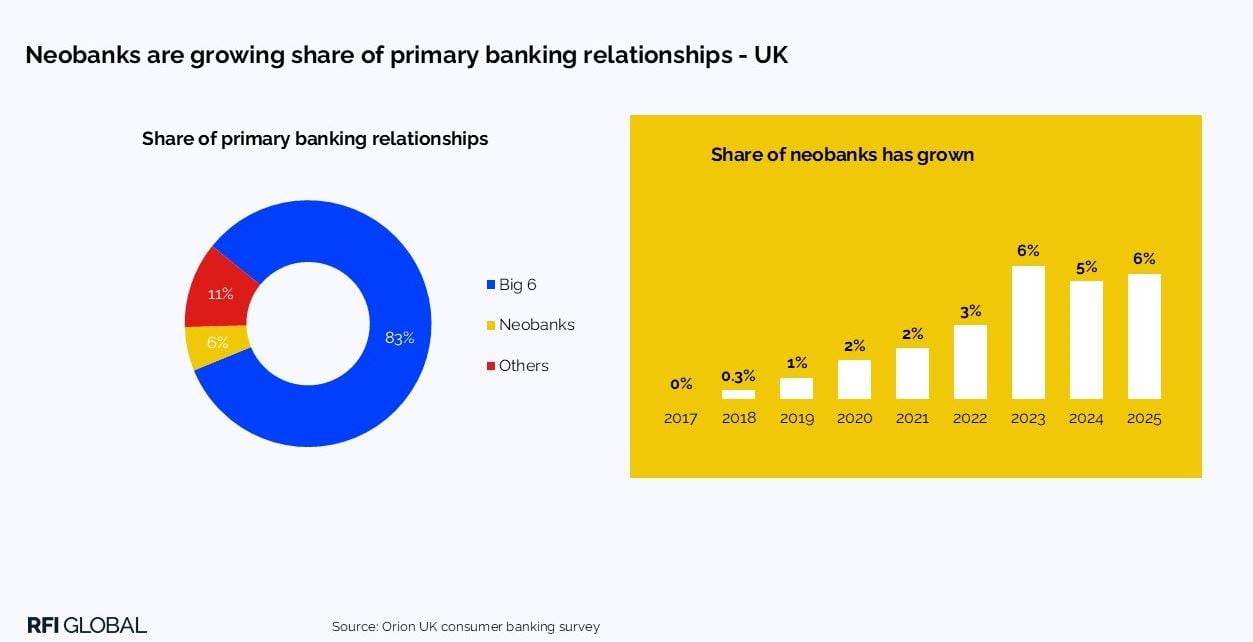
Financial technology, or fintech, continues to be a major driver of change in the finance industry trends. From mobile banking apps to robo-advisors, fintech solutions are making financial services more accessible, efficient, and affordable for consumers. Artificial intelligence (AI) and machine learning are being used to automate tasks, improve fraud detection, and personalize customer experiences. Blockchain technology is also gaining traction, with applications ranging from secure payments to smart contracts. This disruption requires established financial institutions to innovate and adapt to remain competitive. Many are partnering with fintech companies or developing their own in-house solutions. The availability of powerful computing resources, even accessible through cloud services like AWS and Azure, coupled with growing global broadband (gb) infrastructure, continues to fuel fintech innovation.
Regulatory Landscape and Compliance
The finance industry is heavily regulated, and compliance requirements are constantly evolving. New regulations are being introduced to address issues such as data privacy, anti-money laundering (AML), and consumer protection. Financial institutions must invest heavily in compliance programs to ensure they meet these requirements. This can be a significant burden, especially for smaller firms. However, technology is also playing a role in streamlining compliance processes. Regtech solutions are emerging to help financial institutions automate tasks such as KYC (Know Your Customer) and AML screening, reducing costs and improving efficiency. Keeping up with the changing regulatory landscape is essential for any financial institution operating today.
Sustainability and ESG Investing
Environmental, Social, and Governance (ESG) factors are becoming increasingly important to investors. ESG investing involves considering the environmental and social impact of investments, as well as traditional financial metrics. This trend is being driven by a growing awareness of the importance of sustainability and social responsibility, as well as evidence that ESG factors can contribute to long-term financial performance. Many investors are now incorporating ESG criteria into their investment decisions, and financial institutions are responding by offering a wider range of ESG-focused products and services. The demand for sustainable investments is expected to continue to grow in the coming years, making ESG a key consideration for the finance industry trends.
The Rise of Digital Assets and DeFi
Digital assets, such as cryptocurrencies and stablecoins, are gaining increasing attention from investors and financial institutions. Decentralized finance (DeFi) is a rapidly growing ecosystem of financial applications built on blockchain technology. DeFi platforms offer a range of services, including lending, borrowing, and trading, without the need for traditional intermediaries. While digital assets and DeFi offer potential benefits, such as increased efficiency and transparency, they also pose risks, including volatility, security vulnerabilities, and regulatory uncertainty. Financial institutions are exploring ways to incorporate digital assets and DeFi into their businesses, while also managing the associated risks. The future of digital assets and DeFi is still uncertain, but they are likely to play an increasingly important role in the finance industry in the years to come.